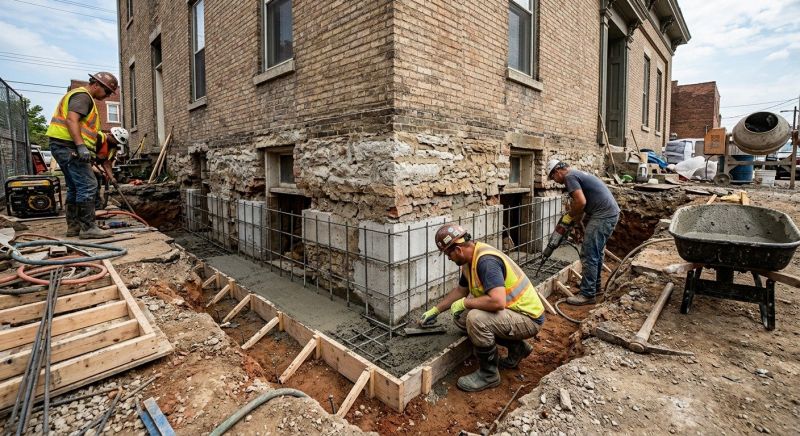
Structural Underpinning in Tampa, FL
Structural underpinning services involve reinforcing and stabilizing the foundation of a property to address issues such as settling, cracking, or uneven floors. These services are commonly requested for residential projects where the integrity of the foundation has been compromised due to soil movement, aging, or previous construction. Property owners often seek underpinning when they notice signs of foundation movement, including cracks in walls or floors, doors and windows that no longer close properly, or visible shifts in the structure. Understanding the specific condition of a home's foundation and the types of underpinning techniques available can help homeowners make informed decisions about restoring stability and preventing further damage.
Before requesting underpinning services, property owners typically want to know what the process entails, including the methods used to stabilize the foundation and the potential impact on their property. It's also important to understand the scope of work, such as whether interior or exterior work is necessary, and if any additional repairs might be required. Clarifying these details can help homeowners assess the suitability of underpinning for their specific situation and ensure that the project addresses the underlying issues effectively to maintain the safety and value of their home.
Many property owners in Tampa, FL look into Structural Underpinning for repairs, replacements, upgrades, and appearance-related improvements.
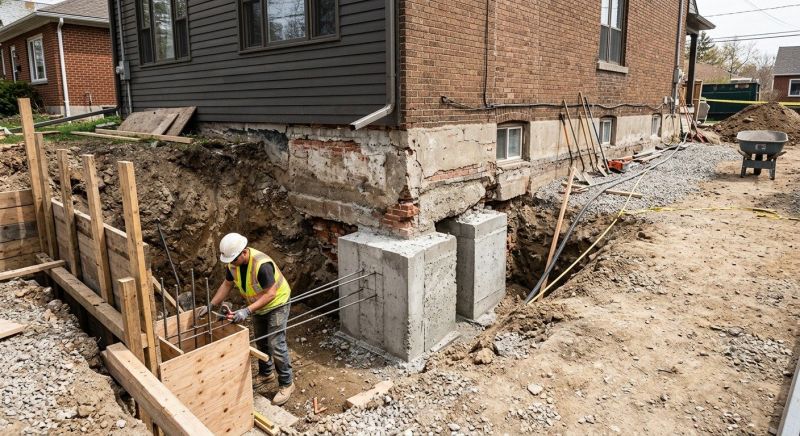
Foundation Stabilization Solutions
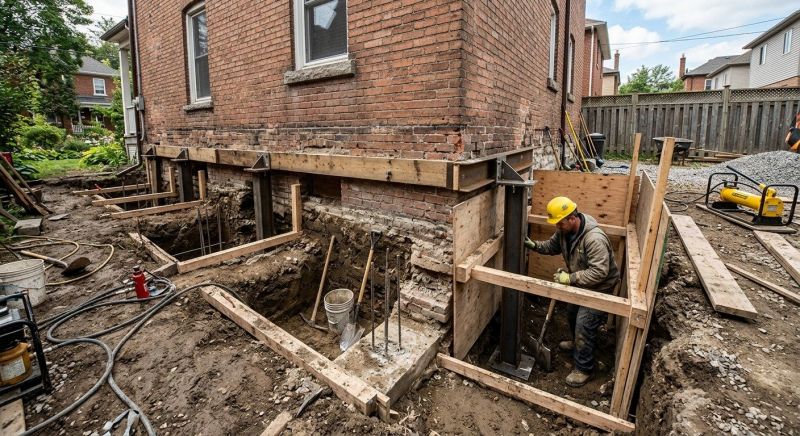
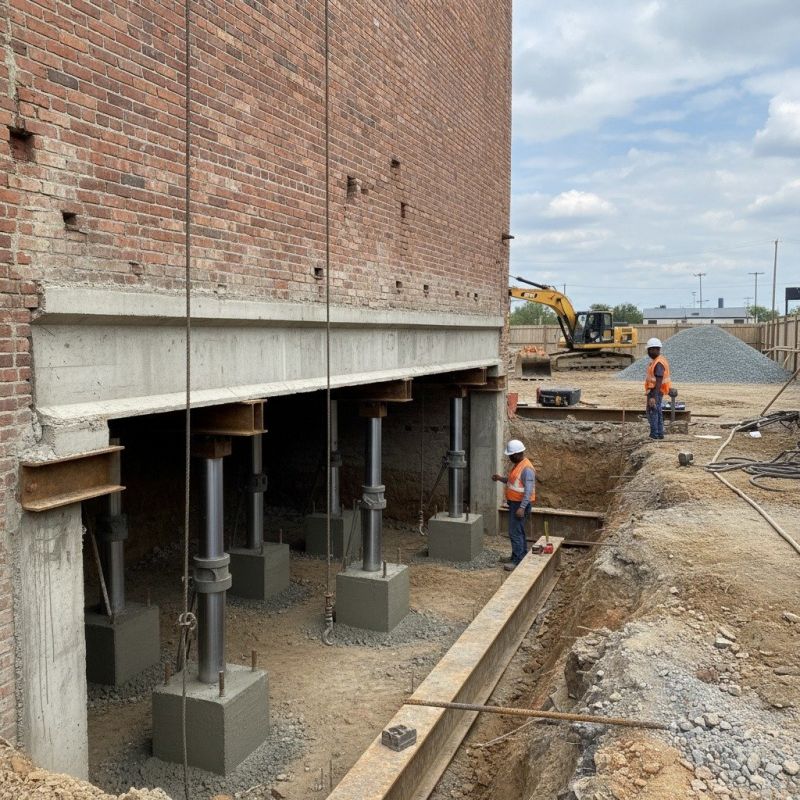
Structural underpinning helps restore stability to settling or shifting foundations in tampa homes.
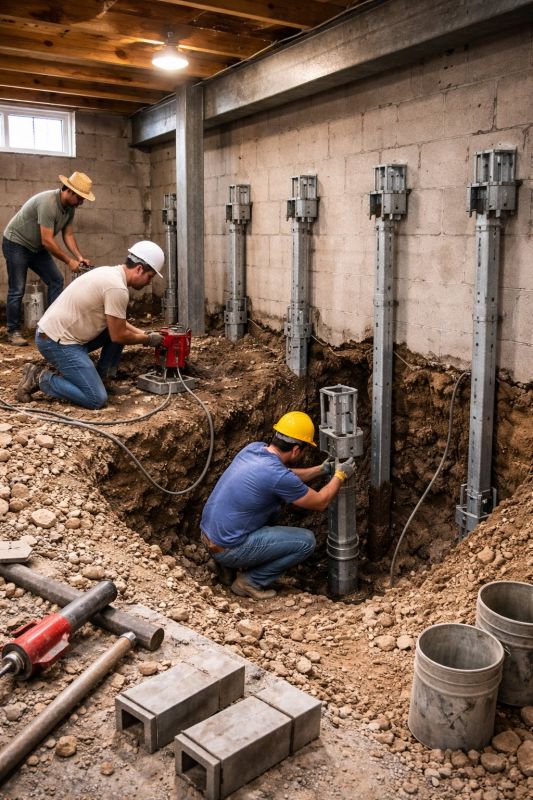
Foundation Repair Techniques
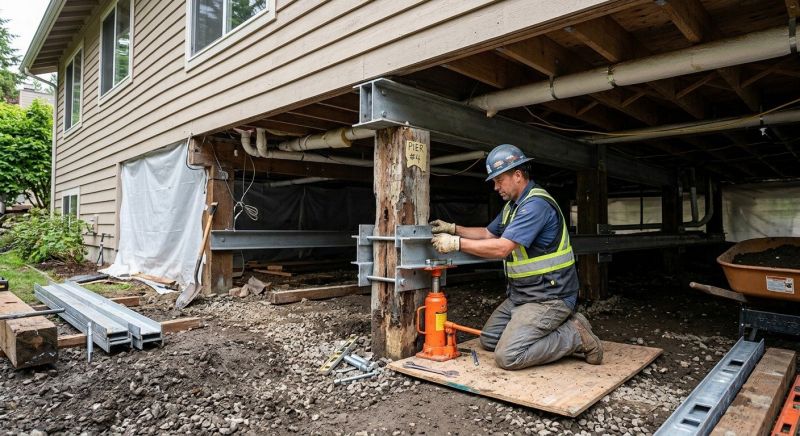
Underpinning methods are used to reinforce and lift uneven or sinking structures safely.
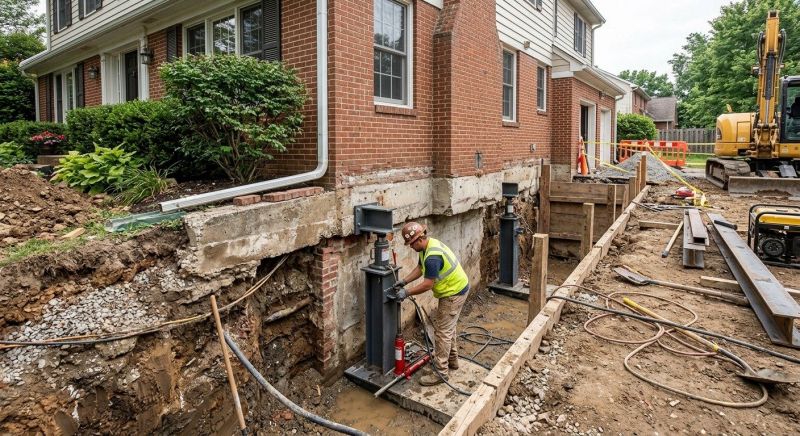
Signs Of Foundation Issues
Cracks in walls, uneven floors, and sticking doors can indicate the need for underpinning services.
Structural Underpinning in Tampa, FL

Structural underpinning services involve reinforcing and stabilizing the foundation of a property to address issues such as settling, cracking, or uneven floors. These services are commonly requested for residential projects where the integrity of the foundation has been compromised due to soil movement, aging, or previous construction. Property owners often seek underpinning when they notice signs of foundation movement, including cracks in walls or floors, doors and windows that no longer close properly, or visible shifts in the structure. Understanding the specific condition of a home's foundation and the types of underpinning techniques available can help homeowners make informed decisions about restoring stability and preventing further damage.
Before requesting underpinning services, property owners typically want to know what the process entails, including the methods used to stabilize the foundation and the potential impact on their property. It's also important to understand the scope of work, such as whether interior or exterior work is necessary, and if any additional repairs might be required. Clarifying these details can help homeowners assess the suitability of underpinning for their specific situation and ensure that the project addresses the underlying issues effectively to maintain the safety and value of their home.
Many property owners in Tampa, FL look into Structural Underpinning for repairs, replacements, upgrades, and appearance-related improvements.
Common Structural Underpinning Jobs
Foundation stabilization - strengthens and supports existing foundations to prevent further shifting or settling.
Pier and beam underpinning - raises and reinforces homes built on piers or beams experiencing uneven settling.
Slab underpinning - stabilizes concrete slabs that have cracked or sunk due to soil movement.
Basement underpinning - reinforces basement floors to improve structural integrity and prevent water intrusion.
Crawl space underpinning - improves support and reduces moisture issues in crawl space foundations.
Soil stabilization - enhances soil conditions beneath foundations to minimize future settling or shifting.
Structural Underpinning Questions
What is structural underpinning? It involves strengthening or stabilizing a building’s foundation to prevent settling or shifting issues.
When is underpinning needed? It is typically required when a property shows signs of uneven floors, cracks in walls, or foundation movement.
How does underpinning improve property stability? It reinforces the foundation, helping to evenly distribute weight and prevent further structural damage.
What types of projects require underpinning? Underpinning is common in home foundation repairs, basement stabilization, and settling correction for existing structures.
Request Structural Underpinning in Tampa, FL
Use the quote form on this page to share the basics of your project and request more information for the type of work you need.